Sturdy Car Dog Hammock Guide: Safe, Clean Back Seat
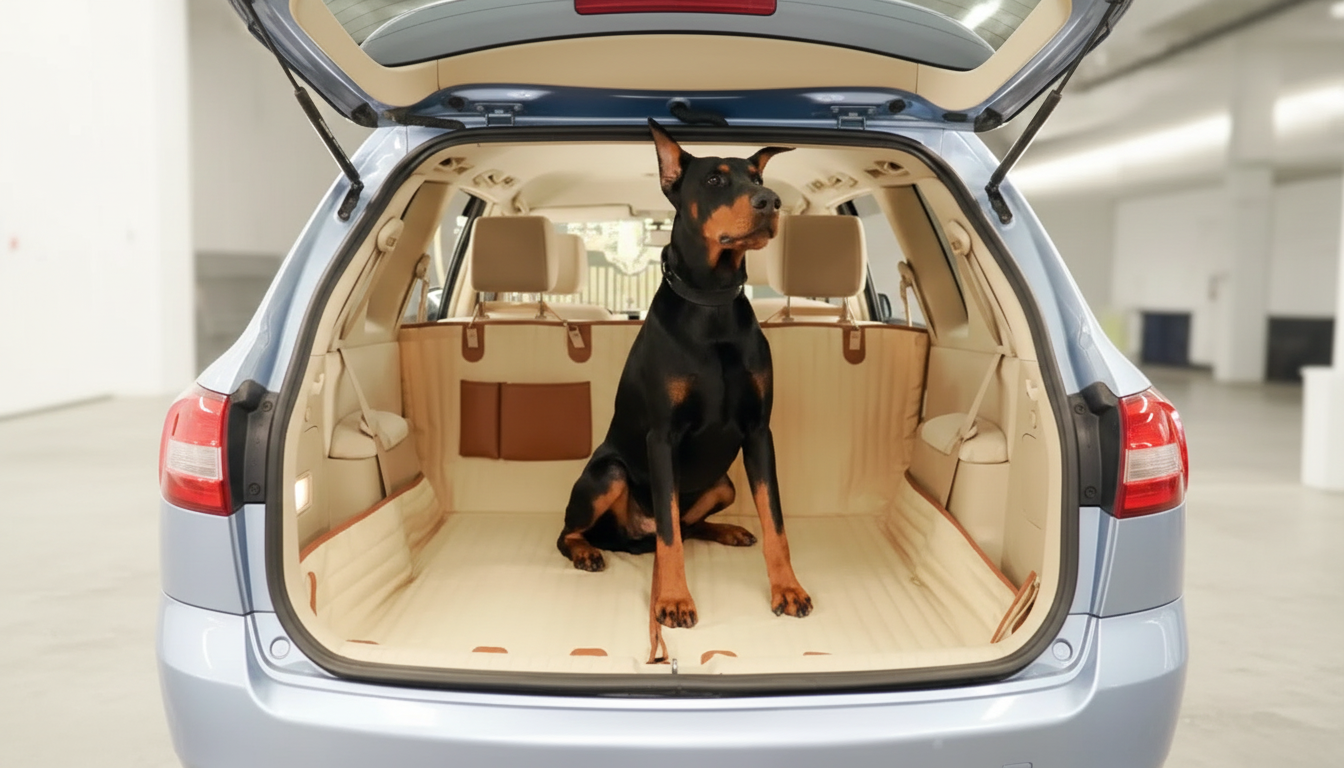
Sturdy Car Dog Hammock: A Cleaner, Safer Back Seat for Every Ride
A dependable car dog hammock helps keep dogs secure in the back seat while protecting upholstery from hair, mud, drool, and claw marks. The right setup reduces sliding during braking and turns, blocks the gap between front and rear seats, and makes cleanup easier after park days or long road trips. For more guidance, see Rear seat cover for dogs – recommendations?.
For practical travel guidance and health tips before you hit the road, review trusted resources like the CDC’s traveling with pets guidance and the AVMA’s pet travel tips. For further reading, see Weathertech back seat cover? Worth the premium for dog protection?.
What a car dog hammock changes during everyday drives
- Creates a stable surface across the rear bench so paws don’t slip between seat cushions
- Helps discourage dogs from climbing into the front seat by forming a barrier
- Catches shedding and debris before it embeds into fabric or leather
- Reduces scuffs on door panels when paired with side flaps
- Simplifies cleanup: shake out, wipe down, or spot clean depending on material
Even short rides can turn messy fast: a quick stop can send a dog sliding, and a wet coat can soak into seat seams. A hammock-style cover turns the back seat into a more predictable, easy-to-manage space—especially for dogs that shift positions, watch out the window, or hop in with sandy paws.
Features that make a hammock feel truly sturdy
- Reinforced stitching at stress points (seat anchors, strap joins, flap corners)
- Non-slip backing or textured underside to limit shifting on leather seats
- Seat anchors (tubes) that lock into the seat crease to prevent forward slide
- Wide, adjustable headrest straps with strong buckles; avoid thin straps that twist
- Water-resistant layers to keep spills and wet fur from soaking into seats
- Side flaps that fold up for door protection or fold down for easy entry
“Sturdy” is less about thickness and more about how the hammock handles force. When your dog steps in, turns around, or braces during a stop, the cover shouldn’t creep forward, bunch up into ridges, or sag into the footwell. Look for designs that combine anchor support (in the seat crease) with strap stability (at the headrests), plus a grippy underside that stays put on smooth upholstery.
Fit and setup: getting a stable, wrinkle-free install
- Measure the rear bench width and depth; confirm coverage from seatback to seat edge
- Attach headrest straps, then insert seat anchors deep into the crease for tension
- Adjust strap length so the sleeping surface is level instead of sagging in the middle
- If using a seat belt for a harness, confirm access to buckles or dedicated openings
- For multiple dogs, prioritize full-width coverage and a flatter, more rigid drape
- Keep a small towel in the car to wipe paws before stepping onto the hammock
A stable install usually comes down to tension. Start by clipping the headrest straps and centering the cover. Then push the seat anchors down into the seat crack until they’re fully seated. Finally, tighten straps evenly so the top surface lays flat—flat enough that your dog can step in without the cover pulling forward or collapsing into the footwell.
If your dog uses a harness and seat-belt tether, do a quick “buckle check” before driving: confirm you can access the buckle easily and the tether isn’t twisted or routed over a strap where it can rub and loosen.
Comfort and safety essentials to look for
Care and durability: keeping it looking new
Quick comparison checklist
| What to check | Why it matters | What to aim for |
|---|---|---|
| Strap width and buckles | Prevents twisting, slipping, and sudden strap failure | Wide straps with solid quick-release buckles |
| Seat anchors | Stops the hammock from sliding forward when the dog steps in | At least 2 anchors, snugly seated in the crease |
| Non-slip underside | Improves stability on leather and smooth upholstery | Textured or rubberized backing |
| Water resistance | Protects against wet fur, spills, and accidents | Water-resistant layers with sealed stitching where possible |
| Side flaps / door coverage | Reduces scratches and keeps debris off door panels | Fold-up flaps with secure fastening |
| Access to seat belt buckles | Enables proper harness tethering | Openings or design that doesn’t block buckles |
Product option: Sturdy Car Dog Hammock Beige
More in-stock picks for road-trip days
- Adidas Women’s V-Neck White T-Shirt for easy layering and quick-change convenience after outdoor stops
- Adidas Men’s Blue Printed Shorts for warm-weather travel days when you’re in and out of the car
- Adidas Men’s Green Suede Sneakers for traction on sidewalks and park paths (especially useful when handling a leash at the same time)
FAQ
Can a car dog hammock be used with a dog seat belt or harness?
Yes—use a crash-tested or well-fitted harness with a seat-belt tether. Ensure the hammock design allows access to the seat belt buckles or includes openings, and avoid clipping to a collar.
How do you keep a dog hammock from sliding on leather seats?
Use a hammock with a non-slip backing and seat anchors, tighten headrest straps so the surface is level, and consider adding a thin non-slip mat underneath if needed.
Is a hammock better than a standard seat cover for dogs who move around a lot?
Often yes—the hammock blocks the footwell gap and can reduce slipping or falling forward. For very active dogs, choose reinforced straps, multiple anchors, and good side coverage.







Leave a comment